We speak of winter as something to be endured—something to get through. A season we survive while waiting for things to start again. We blame the cold, the darkness, the short days. But what if winter isn’t the real issue? What if repetition is?
Somewhere along the way, we learned to associate winter with pause—with slowing down, with doing less. Cold weather became an excuse to put life on hold, to repeat familiar plans, to stick to what feels safe and predictable.
Winter doesn’t force us into boredom: we approach it already expecting less from it.
And expectations matter. When we see winter as a waiting room, every day starts to feel the same. The weeks blur together—not because nothing happens, but because nothing feels different enough to stay with us.

Why cold gets blamed for everything
It’s easy to blame the weather: cold is tangible, darkness is visible, while Routine isn’t. But boredom doesn’t come from low temperatures. It comes from repetition—from days structured the same way, with the same plans, the same rhythms, the same outcomes. When nothing challenges our attention, memory switches to autopilot.
That’s why entire winters can disappear from memory. Not because they were unpleasant, but because they were indistinguishable.
Winter passes. Repetition stays.
Think about it. No one remembers how many degrees it was last February. No one recalls the exact number of daylight hours. What stays are moments—sensations, small experiences that broke the pattern. Memory isn’t seasonal. It’s experiential.
When days are different, they leave a trace. When they’re identical, they fade. Winter doesn’t erase memories. Repetition does.
What happens when we change the mindset, not the context
Here’s the interesting part: you don’t need to escape winter to experience it differently. Changing the season isn’t always possible. Changing how you move through it is.
When winter stops being a pause and becomes a space for exploration, everything shifts. Not because the cold disappears, but because curiosity enters. When we allow ourselves to play, to explore, to step into experiences without fixed expectations, winter stops feeling heavy. It starts feeling open.
Play as a way out of autopilot
Play isn’t about age. It’s about attention.
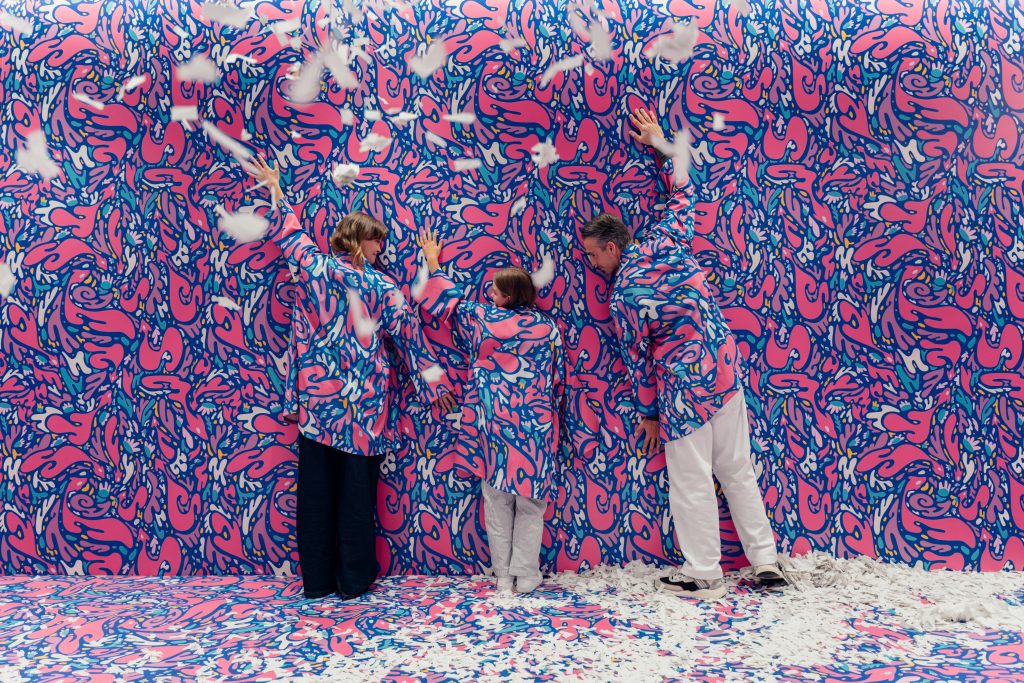
When we play, we’re present, we react, we engage. We stop checking the clock. That’s why play matters in winter—it interrupts repetition. It creates moments that stand out in long, dark weeks.
At IKONO Copenhagen, play isn’t a goal or a performance. It’s an invitation. There are no instructions, no fixed routes, no right way to move through the experience. You enter curious and let things happen. And in that openness, winter suddenly feels lighter.
Winter doesn’t kill creativity. Routine does.
Creativity doesn’t disappear in winter. It just gets buried under habit. The idea that inspiration hibernates is comforting—it absolves us from trying. But creativity isn’t seasonal. It’s responsive. It shows up when something invites it.
When we stop expecting winter to give us less, we stop living it on autopilot. And suddenly, the season opens up.
Choosing different, without waiting for spring
Winter isn’t something to get through. It’s something to decide how to live.
You can repeat it. Or you can experience it. Because winter isn’t remembered. What you do in it is.