For years, traveling was synonymous with distance: whether planning, moving around, or marking destinations on a map. However, in recent years, something is changing. At global gatherings like ITB Berlin, one of the world’s most important travel fairs, a simple yet powerful idea is being repeated more and more: the value of a trip is no longer measured just in kilometers, but in what it makes us feel.
Today we travel to disconnect, to be surprised, and to break the routine, even if just for a few hours. In this new scenario, micro experiences are gaining prominence as a different, more accessible, and emotional way of understanding tourism.
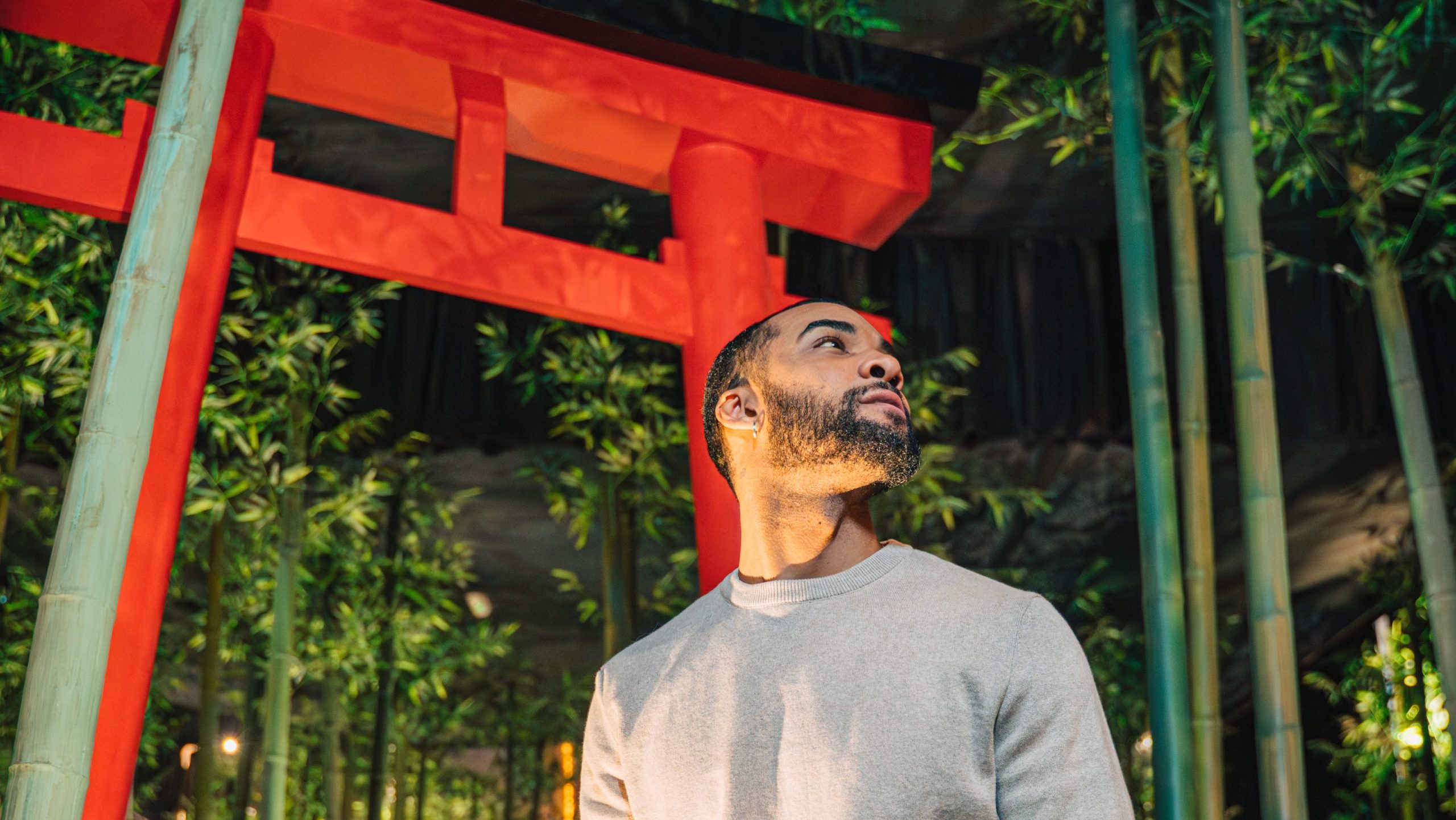
Traveling is no longer just about moving from one place to another.
Current discussions in the tourism sector point to a clear shift in mindset. Travelers are seeking memorable experiences, moments that are remembered beyond the photo, experiences that trigger real emotions. Time has become a scarce resource and, at the same time, a driver of creativity. Because it’s not always possible to go far, but it is possible to feel far from the everyday.
Travel, in this context, begins to be understood as a change of state. A break in the routine. An experience that mentally takes us away from where we were, even if physically we remain in the same city.
From this need comes the concept of micro experiences: small emotional journeys that don’t require extensive planning, that can fit into a morning or an afternoon, and yet create intense memories.
These are experiences that:
🏙️Take place within an urban environment.
😲Surprise and spark curiosity.
👯Invite participation, not just observation.
🫀Connect with emotion and play.
For today’s traveler, these experiences fit perfectly with a more flexible, mindful way of moving and being connected to the present moment. Because it’s not about seeing more, but about feeling better.
When the city becomes a destination
Cities are no longer just stopover points; they are becoming stages for experiences. Urban tourism is being redefined through plans that don’t always appear in traditional guides but are part of what is truly remembered from a trip.
In this context, spaces emerge that are not visited, but lived. Immersive experiences that transform an ordinary afternoon into something unexpected. Proposals that invite people to disconnect from the outside world and connect with their senses, imagination, and others.
This is where micro experiences find their natural place within the contemporary tourism ecosystem.
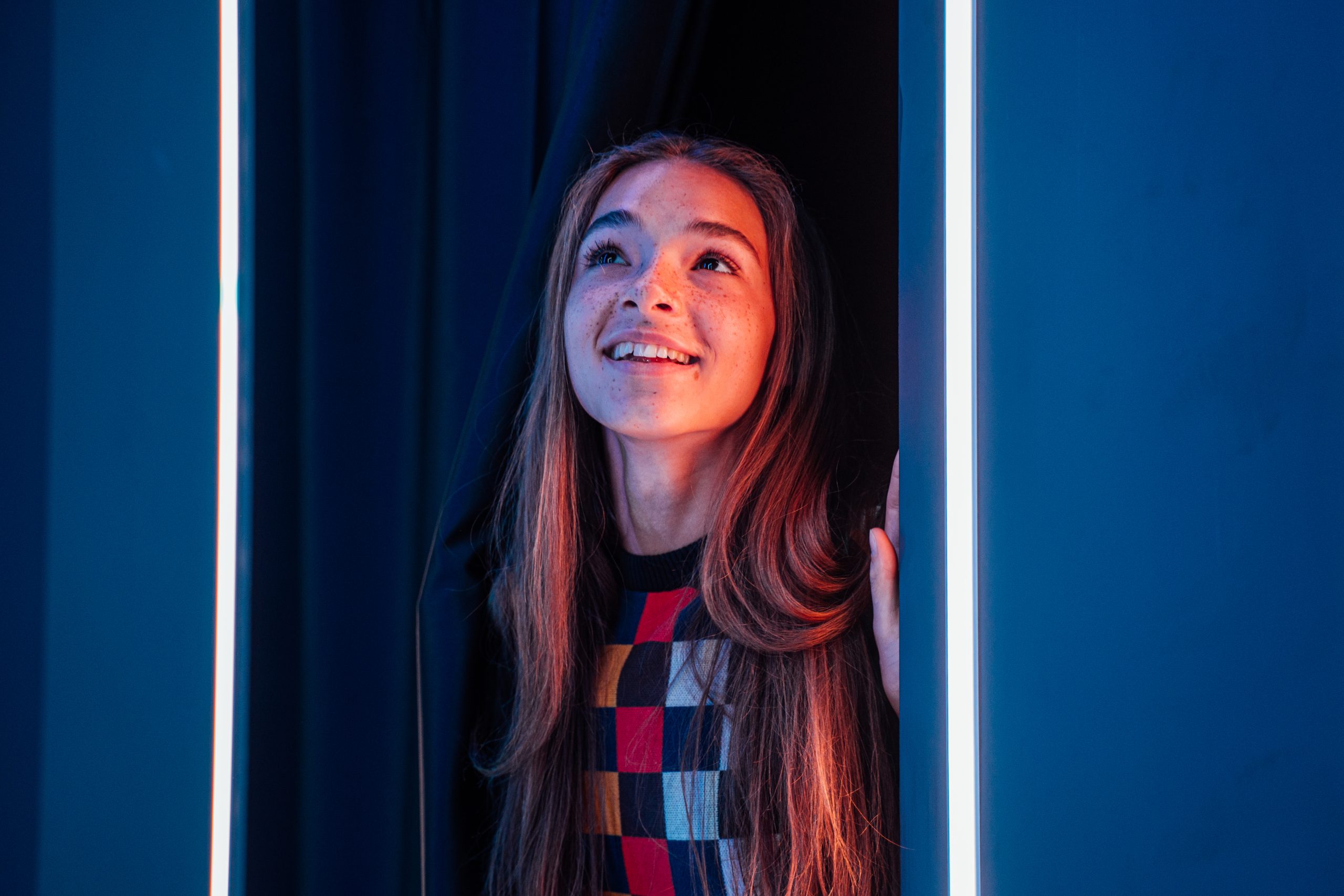
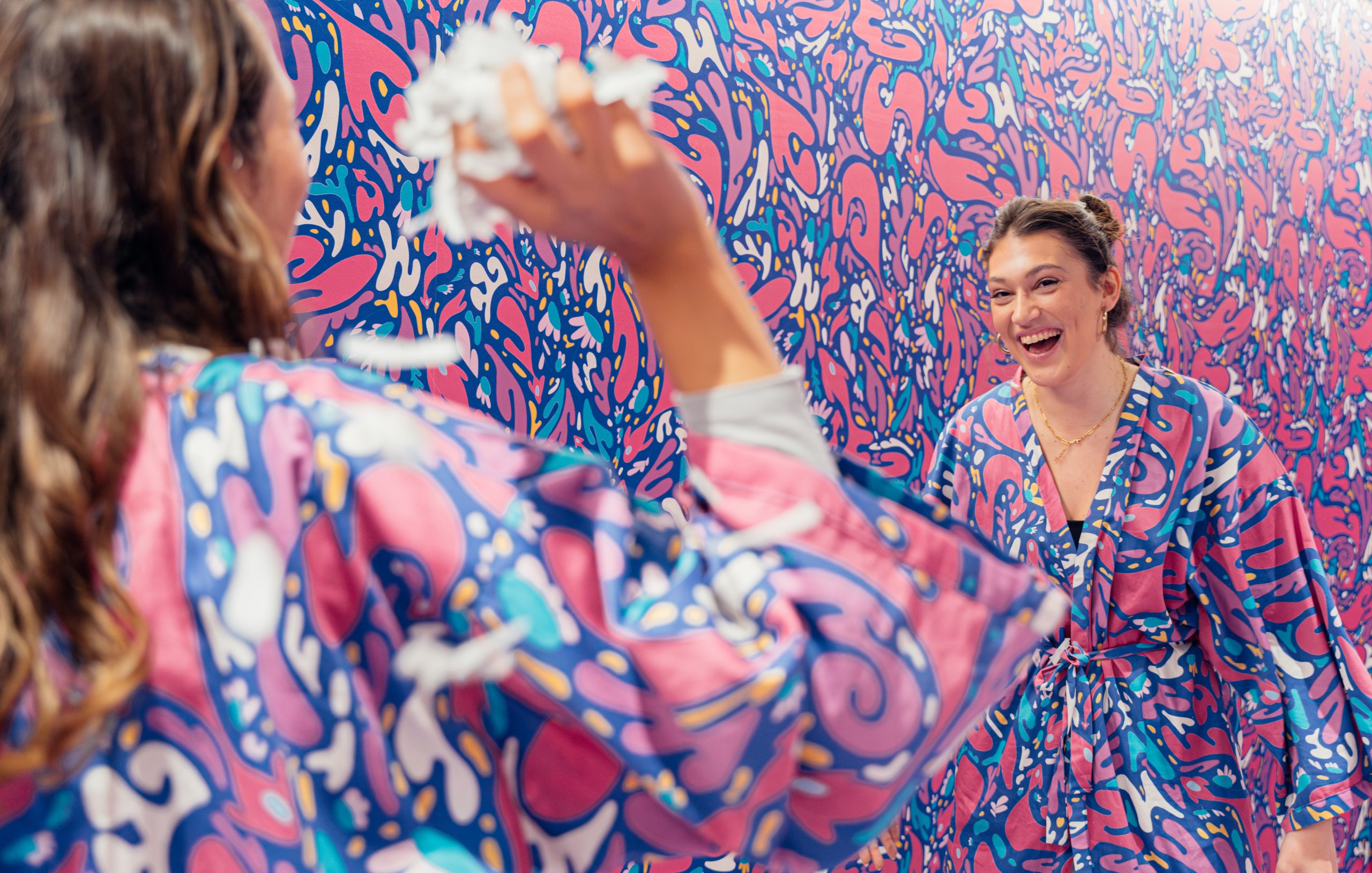
IKONO is born precisely from this idea: creating experiences that evoke emotions without the need to go far. Interactive spaces where visitors leave their routine behind and enter a different universe, even if they are right in the city center. For many travelers, IKONO becomes an unexpected stop during their urban journey. This is also reflected in the people who walk through its doors: approximately 75% of guests come from Europe—including domestic travelers from Germany, who alone account for 30% of visitors—while others travel from as far away as Asia. Yet IKONO is not only a destination for international travelers. For others, it is a way to travel without leaving their own city: families, couples, friends, or solo travelers find in these types of experiences a different way to explore, play, and share. Because in the end, it’s not about replacing traditional travel, but about expanding its meaning. About understanding that traveling can also mean entering a place that makes you feel like you are somewhere else.
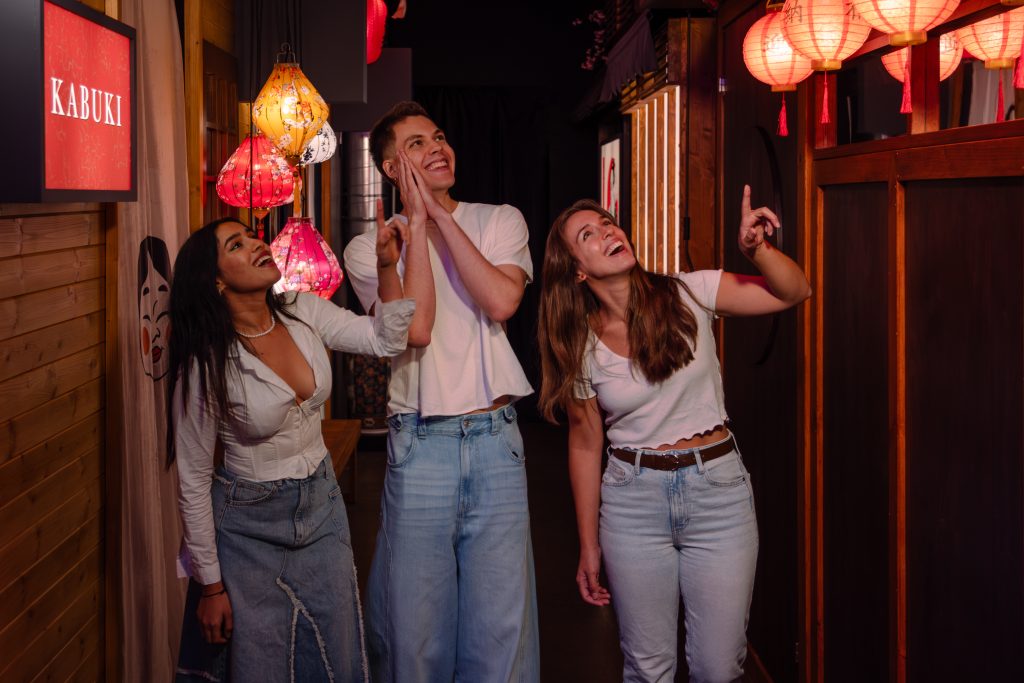
The tourism of the future is felt more than it is traveled
The reflections that emerge in spaces like ITB Berlin point to a more human, more emotional, and more personally connected form of tourism. A tourism where surprise, creativity, and connection are as valuable as the destination itself.
Micro experiences are part of this change. They remind us that not all trips start at an airport or require a suitcase: sometimes it is enough to cross a door, go with the flow, and allow oneself to play.