A school trip in 2026 does not necessarily mean another boring history museum visit. Today, the best educational experiences outside the classroom involve the combination of immersive, hands-on learning with inclusive design. Across Europe, more and more schools favour sensory-friendly venues that are linked to curriculum and are engaging for all pupils. This guide covers what to look for and how to plan education outside the classroom, including autism-friendly school trips.
Key Takeaways:
- Education experiences outside the classroom improves academic outcomes, wellbeing, and social skills.
- The biggest 2026 trend is immersive, sensory-friendly learning at venues designed for diverse groups.
- Inclusive school trips require early planning: the right venue questions, visual pre-visit materials, and SENCO involvement from day one.
- The best venues for school groups reduce organiser anxiety. With clear logistics, timed entry, group packages, and trained staff fewer things can go wrong.
- IKONO, based in Madrid, Barcelona, Copenhagen, Budapest and Berlin is highlighted in this guide a choice for immersive, sensory and inclusive school visits across Europe.
Why Education Experiences Outside the Classroom Matters in 2026
Education outside the classroom matters because it produces measurable improvements in pupil engagement, social confidence and wellbeing
I never teach my pupils, I only provide the conditions in which they can learn. – Albert Einstein.
In 2026, that idea sits at the heart of how European schools are approaching learning outside the classroom.
Benefits for Academic Learning and Pupil Wellbeing
Research published in the International Journal of Educational Research confirms that structured educational experiences outside the classroom support measurable improvements in engagement, attainment, and social confidence.
Learning outside the classroom stimulates creativity and imagination, makes abstract curriculum content tangible, and improves focus in learners who struggle in traditional settings. For students with special educational needs, the benefits go further: sensory-rich environments, physical movement, and changed contexts can reduce anxiety, support emotional regulation, and open up entirely new ways of engaging with learning.
Key European Trends in Immersive and Sensory-Friendly Learning
Two strong trends are defining educational experiences outside the classroom in 2026. The first is the rise of immersive learning experiences for school groups. Such approach allows students to learn through direct experience rather than observing it from a distance. The second is a growing commitment to sensory-inclusive design, driven by deeper understanding of neurodivergent pupils’ needs.
As sensory engagement research shows that multi-sensory experiences help regulate emotions and behaviour, improve attention span, and stimulate communication. Countries including Denmark, Germany, the Netherlands, and Sweden have been successful in incorporating these principles, setting a useful benchmark for inclusive school trips across Europe.
Top Immersive Educational Experiences for European School Groups
The best immersive educational experiences for school groups in Europe in 2026 include Atelier des Lumières in Paris, NEMO Science Museum in Amsterdam, CosmoCaixa in Barcelona, Zeiss-Grossplanetarium in Berlin, and IKONO, which operates across Madrid, Barcelona, Budapest, Copenhagen and Berlin and is particularly well suited to inclusive and sensory-friendly visits.
Below we suggest a list of venues offering strong educational experiences outside the classroom for European school groups with true immersive learning experience.
Atelier des Lumières (Paris, France)
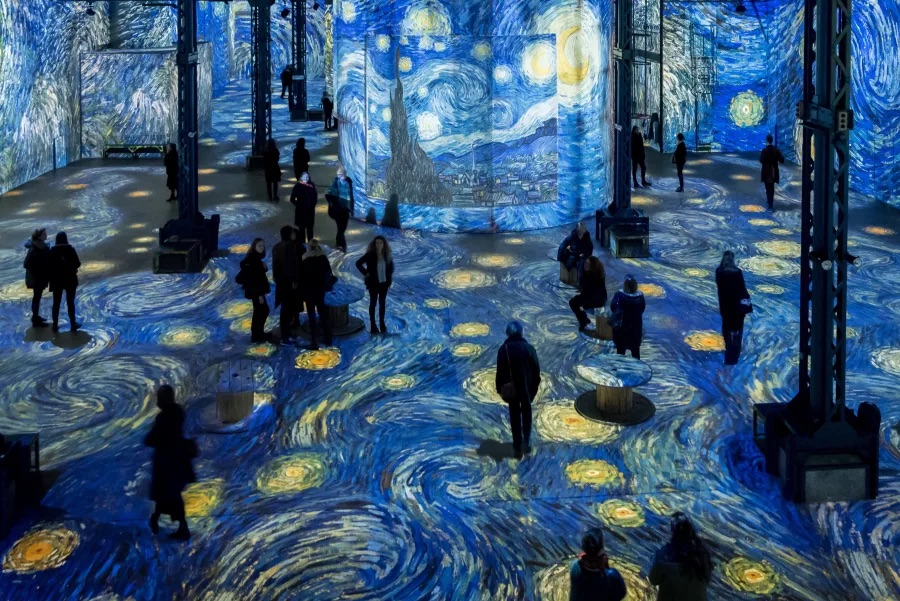
Would you like to become a part of an amazing piece of art? There is such a possibility if you visit this immersive digital art space, housed in a 19th-century iron foundry in eastern Paris. There are projections of major artists (Van Gogh, Klimt, Chagall) that make it relevant to study art, history, and digital media. You can book your visit in advance at €9 per student and 1 free adult per 8 students. An in-house educational programme Art en immersion includes a workshop, the exhibition, and a creative follow-up activity.
Link to the website: Atelier des Lumières
NEMO Science Museum (Amsterdam, Netherlands)
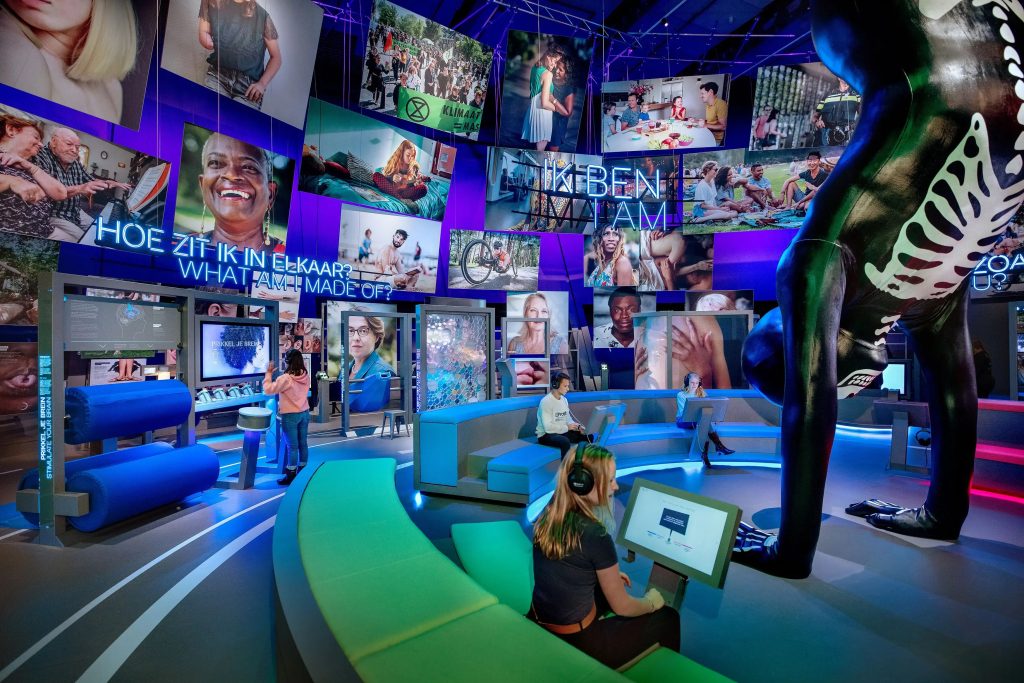
Five floors of hands-on science experiments, which makes it perfect to study chemistry, physics, biology, and technology. School visits run from Tuesday to Friday outside school holidays, with timed entry slots (10:00, 11:00, 12:00, 13:30) and curriculum-linked programmes for both primary and secondary groups. Pre-visit teacher resources are provided as well.
Link to the website: NEMO Science Museum
CosmoCaixa (Barcelona, Spain)
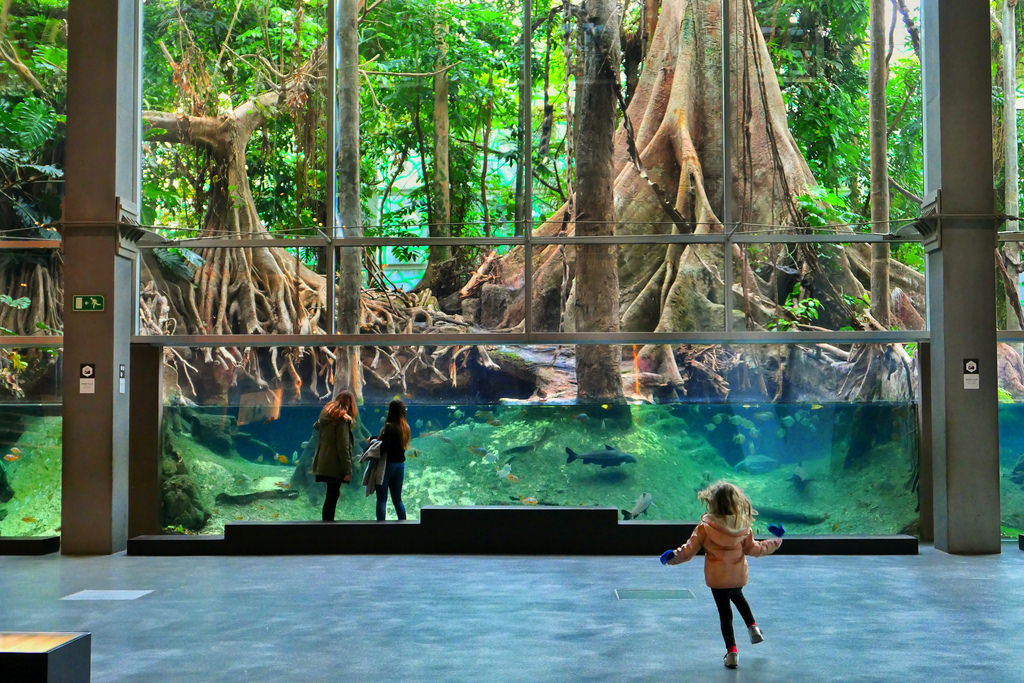
One of Europe’s most acclaimed science museums, with 50,000 m² of interactive exhibits and a full-scale recreation of an Amazonian flooded forest. Workshops cover biology, physics, astronomy, earth science, and mathematics. Free entry is available for under-16s, alongside the specialist school programmes from €3-€10 per session.
For the summer period the museum offers special tailored camp and school activities
- Creactivity Workshop: A 2-hour, hands-on tinkering space where children practice “the art of thinking with their hands,” tackling design and innovation challenges using raw materials. (Monday-Friday at 11:00)
- Planetario Burbuja: A 1-hour immersive planetario tailored for younger kids. Guided by an educator, they map the constellations, trace Earth’s movement around the Sun, and compare the planets. (Weekdays at 11:30 and 12:30)
- Polaris Fulldome Projection: A captivating 1-hour animated space adventure following a penguin and a polar bear on a “space submarine” to solve the mysteries of gravity, Earth’s tilt, and the polar nights. (Monday-Friday at 11:00)
Link to the website: CosmoCaixa
Zeiss-Großplanetarium (Berlin, Germany)
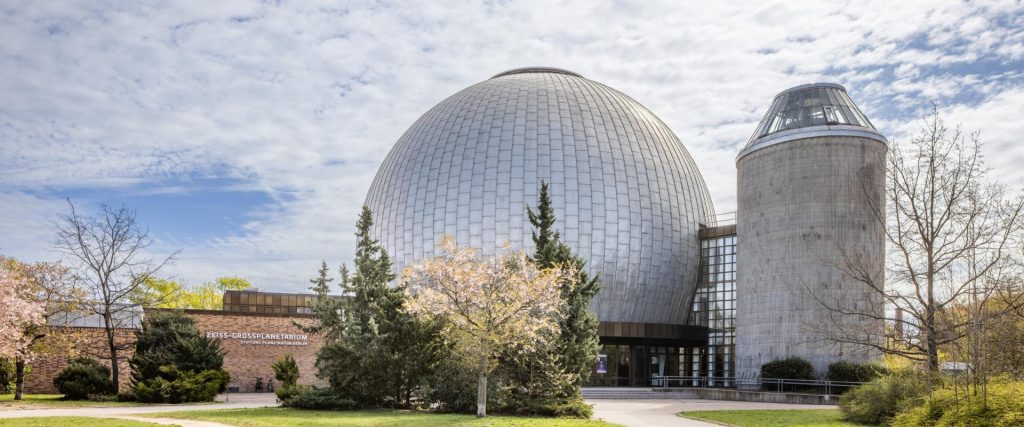
Central Europe’s largest and most modern planetarium, located in Prenzlauer Berg. Morning and afternoon programmes are specifically designed for school groups and aligned with official curricula. School group tickets: €5 per student, with up to two teachers admitted free. Immersive dome shows on astronomy, dark matter, and the universe work brilliantly for physics and geography.
Link to the website: Zeiss-Großplanetarium
Parlamentarium (Brussels, Belgium)
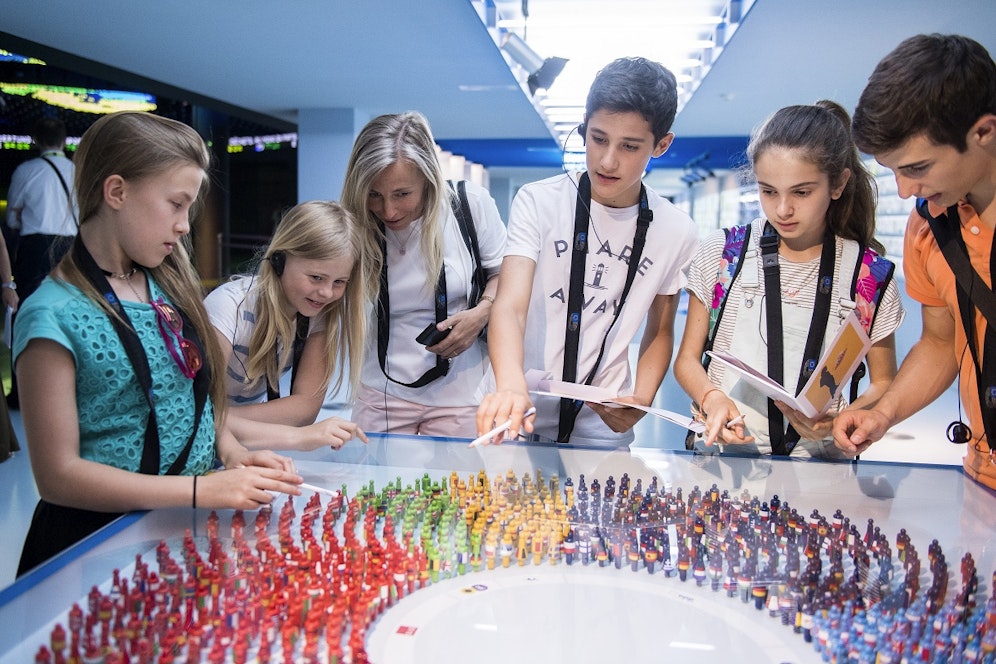
Few places make the workings of democracy feel as real as the Parliamentarium. As the European Parliament’s official visitor centre, it brings the story of European history and modern lawmaking to life through interactive multimedia guides. It is completely free, fully accessible, and available in all 24 official EU languages.
For secondary students aged 12-18, this is citizenship and history class stepped off the page. Whether your curriculum covers how laws are made, the rights of EU citizens, or the evolution of modern Europe, the Parliamentarium connects those topics to the real institution shaping them.
Link to the website: Parlamentarium
IKONO Immersive Experiences for School Groups Across Five European Cities
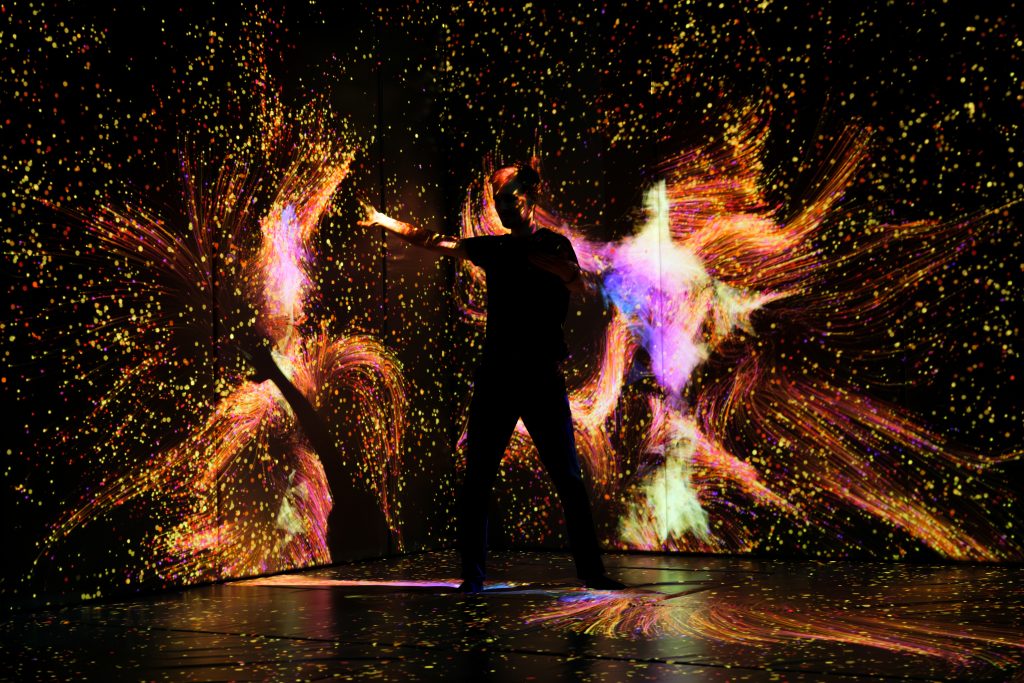
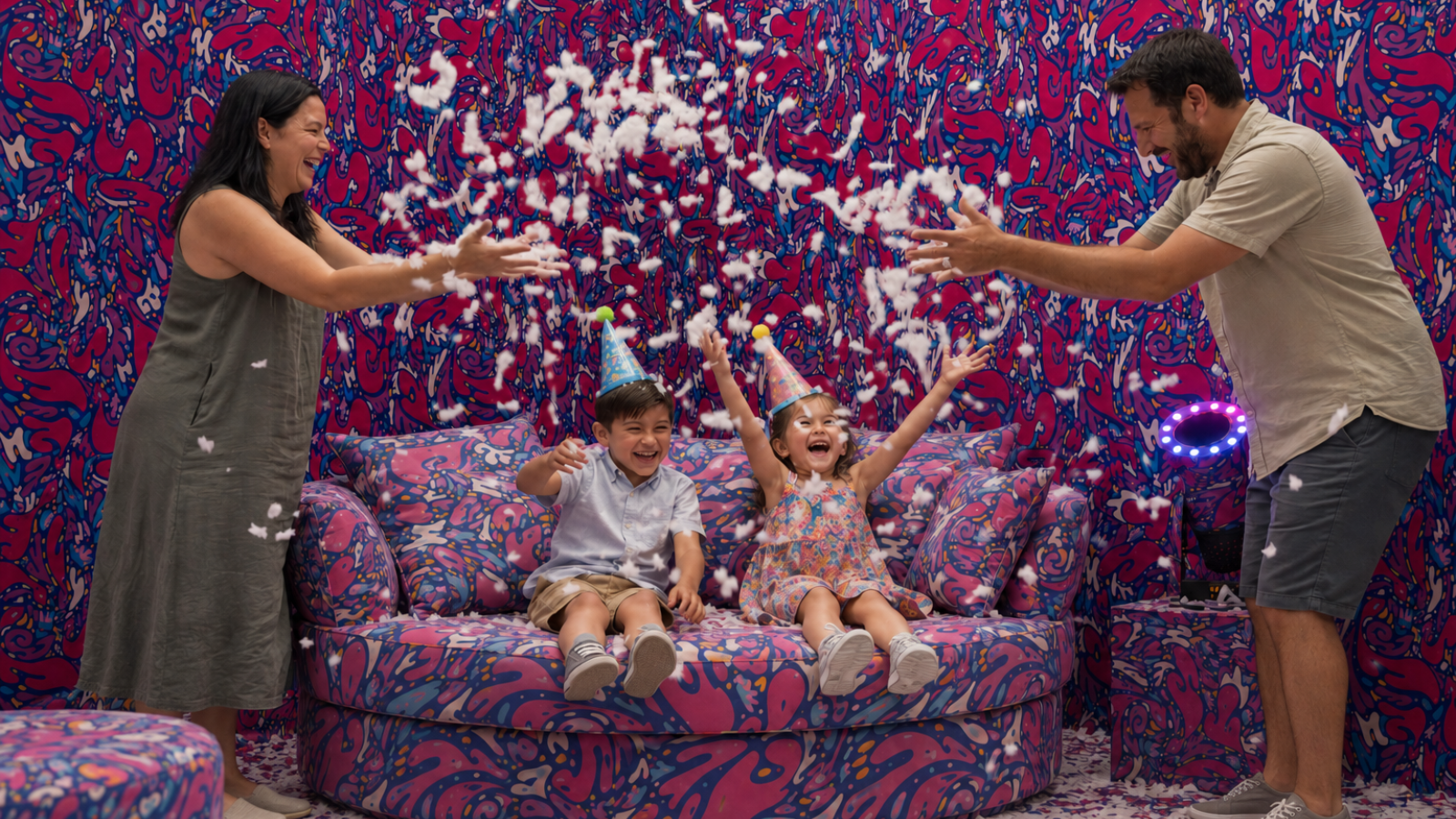
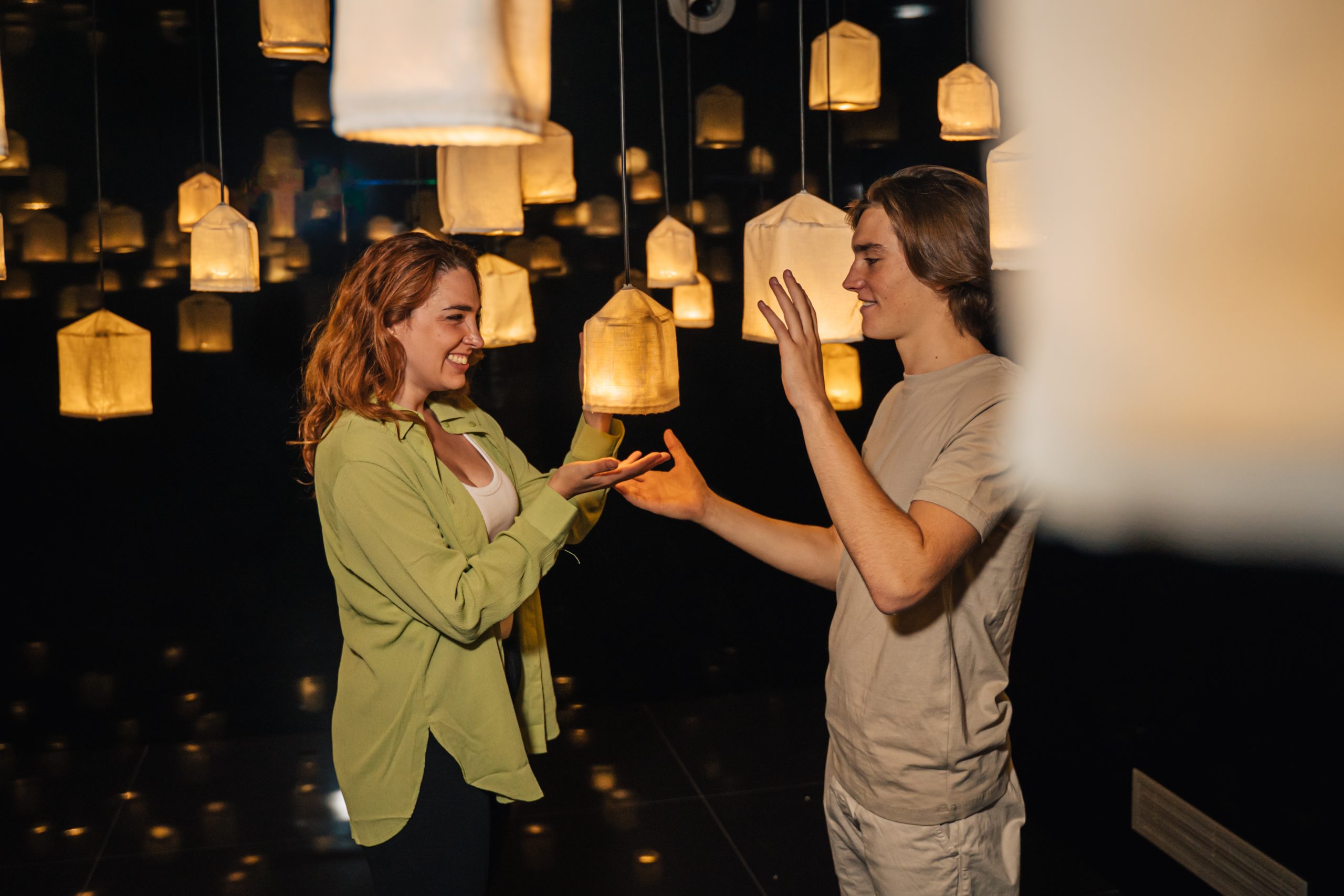
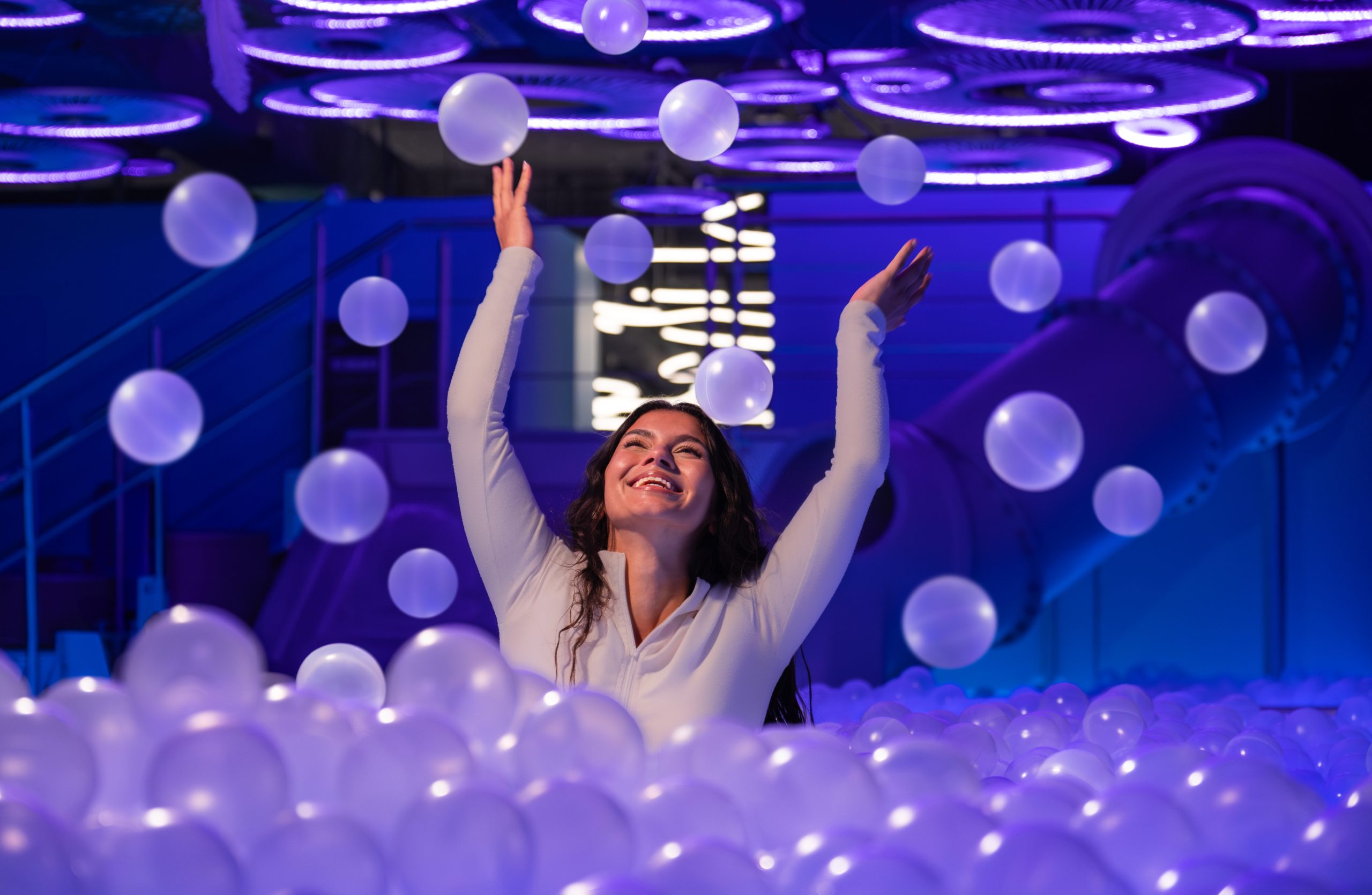
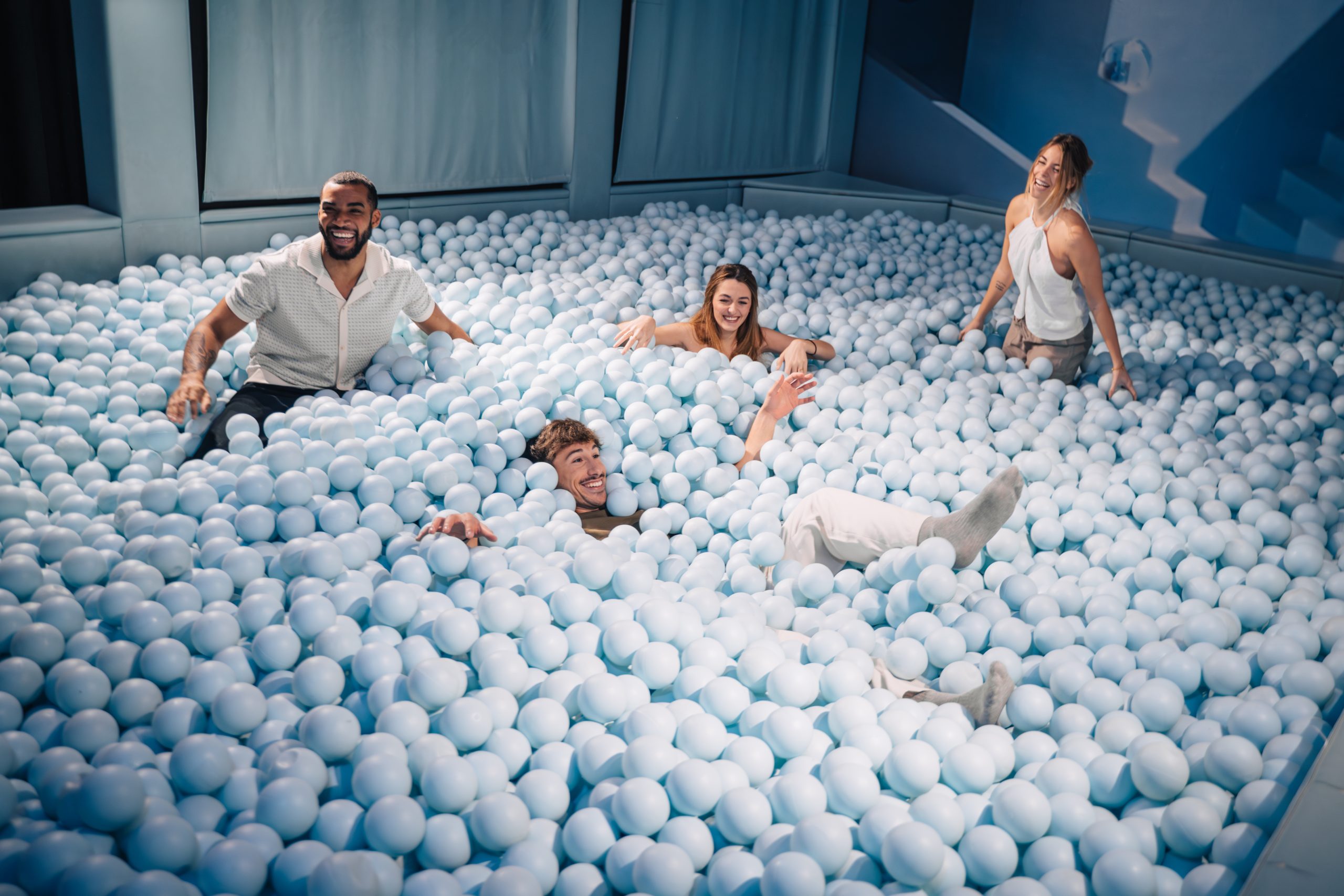
IKONO is an immersive experience space with venues across Europe (Madrid, Barcelona, Budapest, Copenhagen, and Berlin). Each location is built around a series of distinct, interactive rooms combining digital art, light, sound, and physical engagement.
What makes IKONO a standout choice for immersive experiences for school groups is the structure of the visit itself. There are no right answers, no prior knowledge required, and no pressure to perform. Pupils move through spaces at their own pace, engaging with what interests them. For autistic and sensory-sensitive learners and for teachers planning autism-friendly school trips this matters enormously: it removes many of the triggers that make conventional venues stressful, while offering rich, controlled sensory input.
For teachers navigating the practicalities of group logistics, IKONO offers a 15% discount on school group bookings, with up to three free tickets for accompanying teachers. Specific rooms carry strong STEAM curriculum aspects. For example, the Light Painting room connects directly to art and physics. Or the Bamboo Forest room can serve as a perfect place for immersive Japanese history lecture.
All venues across European cities are slightly different, but the concept stays the same. IKONO is a perfect sensory–friendly choice for inclusive school trips for any age.
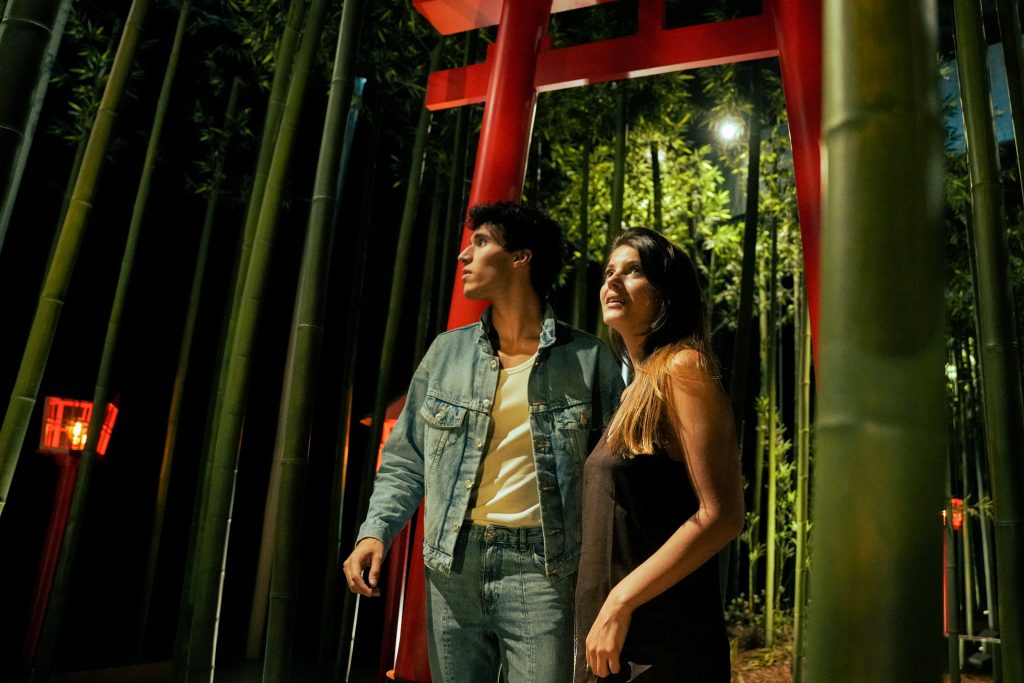
Every room is designed to invite curiosity and there is no wrong way to experience IKONO. That openness is exactly what makes it work so well for school groups of all abilities. — Sofia Lamas Gonnelli, Global Communications Manager at IKONO
I know, after looking at all the options you might be a little bit overwhelmed. Compare all the venues according to your specific needs with the table below:
| Experience | Location | Curriculum links | Practical information | Age range | Sensory-friendly visits | Pre-visit resources |
| IKONO | Madrid, Barcelona, Berlin, Budapest, Copenhagen | Art, DT, STEAM, PSHE | Group packages with a 15% discount/group of 15, flexible scheduling, up to 3 free teacher tickets | 8-18 | ★★★★★ Dedicated sensory support, quiet spaces, no right/wrong answers | Visual schedules, venue maps, staff briefing available |
| Atelier des Lumières | Paris | Art, digital media, history | €9/student, groups 20-50, educational programme | 3-25 | ★★★☆☆ Immersive but can be intense. Contact venue for quiet access | Educational programme pack |
| NEMO Science Museum | Amsterdam | STEM, biology, physics | Timed slots from Tuesday to Friday, €96/group of 16, free entrance for supervisor | 6-18 | ★★★★☆ Generally calm, hands-on, self-paced; some exhibits contains flashing lights or use magnetic fields | General rules on the website |
| CosmoCaixa | Barcelona | Science, biology, environment | Curriculum workshops, €3–€10/session | 6-18 | ★★★☆☆ Busy at peak times; Amazonian forest has high sensory input | Partial workshop materials |
| Zeiss-Großplanetarium | Berlin | Physics, astronomy, geography | Educational offerings, €5/student | 8-18 | ★★★☆☆ Dome shows: darkness and loud audio, advise pupils ahead | Contact by email to ask |
| Parlamentarium | Brussels | Citizenship, history, languages | Free, self-directed, 24 EU languages | 14-18 | ★★★★★ Quiet, self-paced, multimedia guides | Limited, contact the staff |
When comparing venues, prioritise those offering dedicated education staff, pre-visit materials, flexible scheduling, and on-site quiet spaces.
Planning Sensory-Friendly School Trips in Europe
To successfully plan a sensory-friendly school trip you have to choose the right venue in Europe, share a visual map and schedule with students and involve your SENCO from the earliest stage.
Understanding Sensory Needs in Group Settings
For autistic pupils and those with sensory processing differences, the preparation has to be more thorough as unpredictability is often the greatest challenge. Environments with sudden loud noises, unexpected crowds or unclear transitions can ruin even the most carefully chosen educational experiences outside the classroom.
Creating sensory-friendly learning environments means considering lighting levels, background noise, crowd density and the ability to take breaks in a calm zone. For many students a visual schedule serves well if shared in advance, so they know exactly what to expect and when.
Places like IKONO provide a support in this terms. Students can move without any pressure, there is a calm room to take a rest if you feel a little bit overwhelmed, and you can always ask for a help of staff.
| Time | Activity | What you need to know |
| 09:00 | Meet at school | Use the toilet, check bags, collect lunch, and meet your group leader. |
| 09:20 | Safety briefing | Teachers will explain the plan for the day, behaviour expectations, and buddy groups. |
| 09:30 | Travel to the venue | Sit with your buddy or group. Ear defenders, fidget items, or sunglasses can be used if needed. |
| 10:15 | Arrive at the venue | The group will enter calmly. There may be other visitors, lights, sounds, or new smells. |
| 10:30 | Welcome and group split | Venue staff will explain what will happen. Pupils may be split into smaller groups. |
| 10:45 | First activity or immersive room | You can look, listen, move around, or observe quietly before joining in. There is no wrong way to take part. |
| 11:20 | Sensory break | A quiet space or calmer area will be available for pupils who need a break. |
| 11:40 | Second activity | The group will explore another area of the venue. Teachers will explain any changes before they happen. |
| 12:15 | Reflection activity | Pupils can draw, write, take notes, or talk about what they noticed and enjoyed. |
| 12:40 | Final visit to toilets and bags | Check belongings and prepare to leave. |
| 12:50 | Travel back to school | Sit with your buddy or group. Use sensory tools if the journey feels noisy or tiring. |
| 13:40 | Return to school | Teachers will check everyone is back safely. |
| 14:00 | Calm classroom debrief | Pupils can share one thing they learned, one thing they enjoyed, and one thing that helped them feel comfortable. |
Essential Questions to Ask Venues Before Booking
Before confirming any autism-friendly school trip, contact the venue with these questions:
- Do you offer dedicated school group sessions or quieter time slots?
- Is there a quiet room or withdrawal space if a pupil becomes overwhelmed?
- Have your staff received training in supporting neurodivergent visitors?
- Are there pre-visit resources you can share beforehand?
- What is your maximum group size, and can we split into smaller sub-groups?
- Are there areas that may be particularly intense (loud installations, strobe lighting, confined spaces)?
- Can you share a room-by-room sensory guide so we can prepare our pupils in advance?
- Do you have a named education or group visit contact we can liaise with before the trip?
Venues that answer these questions thoughtfully are those most likely to deliver a genuinely successful inclusive school trip.
Practical Checklist for Planning Inclusive Educational Experiences Outside the Classroom
Pre-Trip Preparation and Risk Assessment
- Complete a full risk assessment including transport, venue, and any outdoor elements
- Share a visual schedule and venue map with all pupils in advance
- Identify pupils requiring additional support and brief accompanying adults accordingly
- Confirm the number of student assigned to one tutor (recommended 1:10 for general groups and 1:6 for SEN groups)
- Contact the venue to ask for accessibility features and quiet spaces
- Send a pre-trip preparation letter to parents, including sensory details
- Prepare student with a classroom activity connected to the visit theme
On-the-Day Strategies for Teachers and SEN Staff
- Arrive early to allow a calm, unpressured entry for the group
- Show a quiet space at the venue before the visit begins
- Use a buddy system for pupils who may find transitions difficult
- Have sensory tools available (ear defenders, fidget items, sunglasses) for those who need them
- Brief all accompanying adults on individual pupils’ needs before arrival
- Plan a debrief or creative response activity after the visit
Curriculum Links and Learning Outcomes
Connecting Immersive Experiences to European Curriculum Subjects
One of the most important shifts in learning outside the classroom thinking is the move away from treating trips as standalone events. The most effective educational experiences outside the classroom are included in a school programme. This is equally true of inclusive trips: the more purposefully a visit is planned, the more every pupil in the group can access and benefit from it.
Immersive art spaces connect naturally to art, design technology, and digital media. Science centres link to physics, biology, and critical thinking. Cultural workshops serve geography, history, modern foreign languages, and PSHE.
The LOtC framework recommends starting with purpose rather than provision: what do you want pupils to understand or experience, and which venue best supports that?
A useful structure for any immersive visit is:
- Prepare
- Experience
- Reflect
To sum up, build classroom context before the trip. Let pupils explore freely on the day. Then use follow-up activities like discussion, creative writing, visual art, debate to deepen what they have experienced.
Measuring Impact and Follow-Up Classroom Activities
Measuring the impact of education outside the classroom does not need to be complex. Teachers can track increased engagement in the days following a visit, note improvements in communication (verbal or otherwise), observe greater comfort in peer interactions, and look for more enthusiastic participation in related classroom tasks.
For SEN pupils in particular, progress may be gradual and non-linear. Consistent exposure to sensory-rich, low-pressure environments builds confidence over time. A single good school trip experience can shift a pupil’s sense of what is possible.
Booking Tips and Next Steps for 2026 School Trips
First of all, before proceeding to book an inclusive school trip in Europe for 2026, make sure to plan learning objectives. Only then choose a venue with dedicated group provision and sensory-friendly facilities, involve your SENCO from the outset. Don’t forget to book early as the most popular slots at venues like IKONO fill quickly during term time.
Use the checklist above to assess each venue, and build your risk assessment early enough to allow for changes. Where parental consent letters are needed, include specific information about the venue’s sensory environment: parents of neurodivergent pupils will notice the care taken, and it reduces last-minute queries.
For schools considering an immersive educational experience as part of a European city trip, the venues listed in this guide all offer dedicated group provisions.
Treat each trip as a learning experience for staff as well as students. The most successful EOTC programmes develop over time, until education outside the classroom feels more like a natural part of how your school learns.
Frequently Asked Questions
What are the best educational experiences outside the classroom in Europe in 2026?
Immersive digital art spaces, interactive science centres, cultural workshops, and botanical gardens all offer rich school trip ideas for students.
How do I plan a sensory-friendly school trip for autistic pupils?
Start by contacting venues directly to ask about quiet zones, group scheduling, and staff training. Share visual schedules and venue maps with pupils ahead of the visit. Bring sensory tools on the day and build in unstructured time. Our sensory preparation checklist for school trips has a full step-by-step guide.
What makes a venue suitable for inclusive school trips?
Look for venues that offer dedicated education packages, trained staff, quiet spaces, flexible timing, and pre-visit resources. The best inclusive trips are those where the venue has genuinely designed for diverse learners.
How can school trips be linked to the curriculum?
Every educational experience outside the classroom works best when it connects to a unit of work. Brief pupils beforehand, give them a focus for the day, and follow up with creative or written reflection tasks. The LOtC framework offers practical guidance on embedding trips into long-term curriculum planning.
How often should schools plan educational visits?
There is no fixed rule, but most EOTC guidance suggests at least one off-site educational experience per term delivers meaningful impact. Even a half-day visit, well-prepared and reflected on, can shift engagement and confidence in ways that classroom learning alone cannot replicate.
Is IKONO suitable for autism-friendly school trips?
IKONO can work well for many neurodivergent students. The experience is semi-guided: staff give brief overviews in rooms featuring dedicated artist installations, while the remaining rooms are open access for pupils to explore freely at their own pace. The visit takes around one hour, with no strict time limit once inside. We’d recommend confirming directly with the venue, especially around lighting and noise levels in specific rooms, before booking.
What is Education Outside the Classroom (EOTC)?
EOTC refers to any learning activity that takes place away from the regular classroom setting, whether that’s a museum, nature reserve, cultural site, or an immersive space like IKONO. The idea is to give students hands-on, real-world experiences that reinforce what they’re learning in class, while also building social skills, independence, and engagement through a change of environment.
Which IKONO location is best for school visits?
IKONO currently operates locations in Madrid, Barcelona, Budapest, Vienna, Copenhagen, and Berlin, and each offers private group and school-visit packages with exclusive venue access. If you’re choosing among a few options, it’s worth checking directly with each venue on room layout and current installations that can be linked specifically to the planned curriculum.
Looking for more support? Explore our sensory-friendly activities travel guide and sensory preparation checklist for school trips for further practical tools.
About author: Sofiia Demchuk is a Marketing & Content Specialist with a passion for communication and the art of storytelling. At IKONO, she writes about immersive experiences, playful adulting activities and things to do in major European cities.