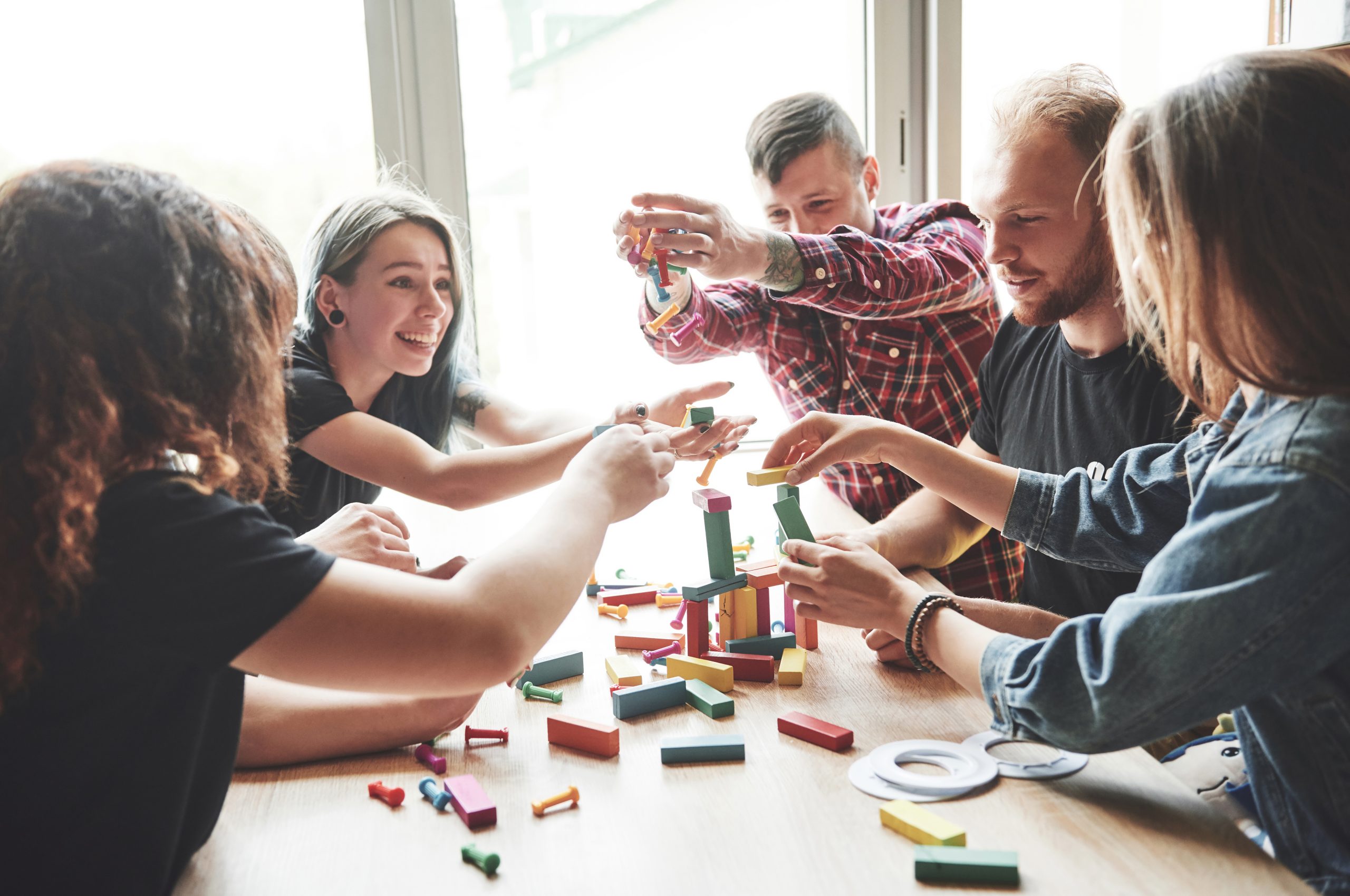
You don’t need more productivity hacks, you might just need permission to play again.
What if the issue isn’t your routine, but what’s missing from it?
A culture movement called kiduting is offering a different answer, and in 2026 it’s more relevant than ever. Kidulting is the trend of adults intentioanlly making space for play, choosing interactive and immersive experiences that reconnect us with a part of ourselves that adult life quietly sidelines.
From immersive art to sensory environments, more people are rediscovering something important: play was never something we were meant to outgrow; it was something we simply stopped prioritising.
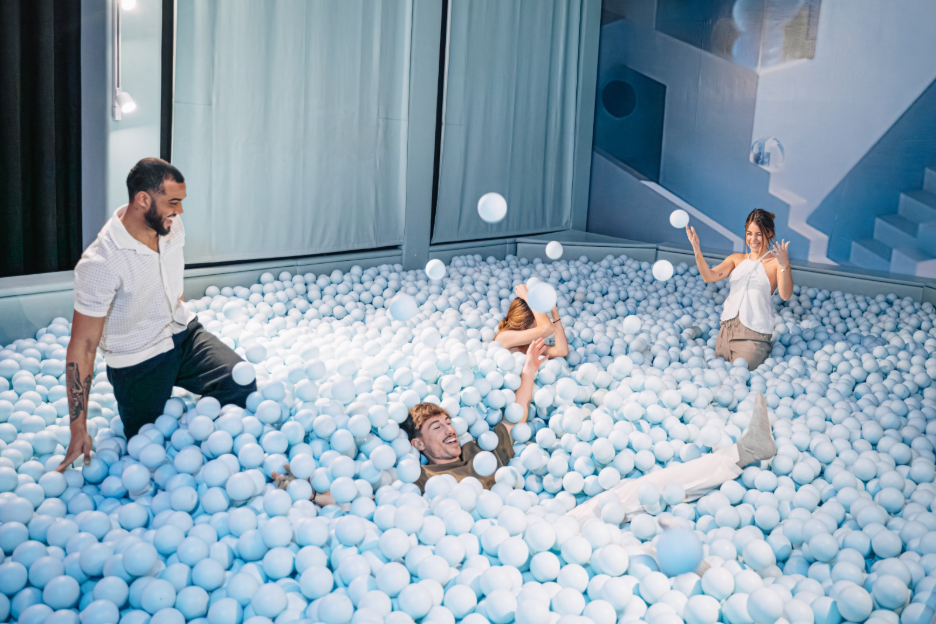
What is Kidulting? A clear definition
Kidulting is the idea of adults consciously reclaiming their right to play. It isn’t nostalgia and it isn’t about rewathcing old cartoons or digging out childhood costumes (but if you were thinking “Could I wear this to IKONO?“, the answer is YES)
At its core, kidulting is about participation over observation. It is the choice to step into experiences that ask you to move, explore, feel and react, rather than just sit back and consume.
The trend has been building for years, but 2026 has seen it accelerate significantly. Adults are choosing immersive experiences, interactive art and sensory spaces over traditional nights. Not because they have lost interest in entertainment, but because they are looking for something more engaging, present and to feel more alive.
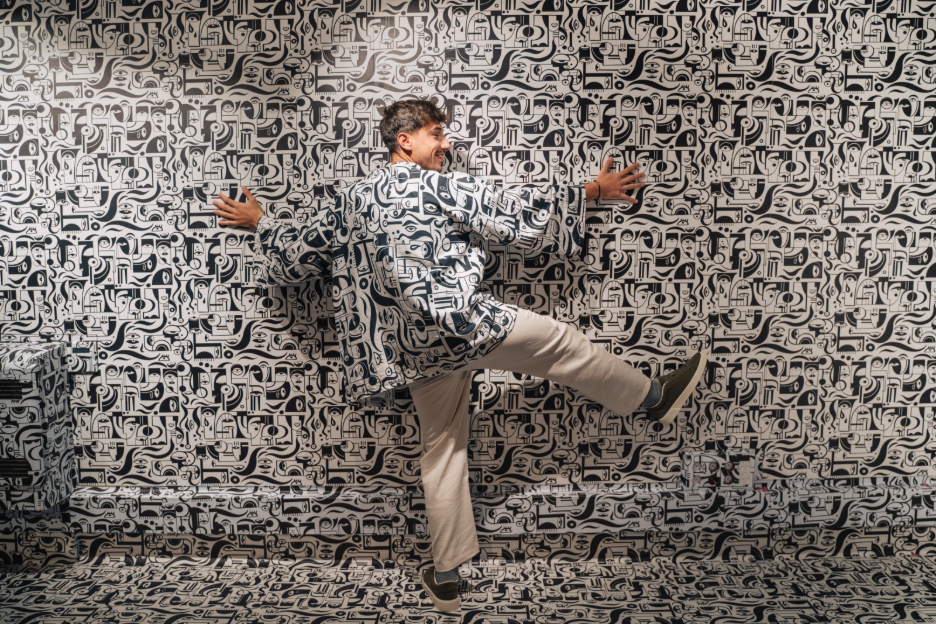
When did adults stop playing?
Play didn’t vanish overnight, it was gradually crowded out as our lives became increasingly structured around goals and outcomes.
Productivity Culture
As children, playing is instinctive, it is how we explored the world, processed emotions and connected with others. But as we grow older, we are often taught (directly or indirectly) that play is a phase you’re supposed to move through to be productive every day.
Social Conditioning
Work ethics, productivity, and efficiency take over. Even our free time starts to come with expectations. We’re encouraged to exercise “productively“, relax “efficiently” or use our downtime to improve oursleves in some way.
Passive Entertainment
At the same time, entertainment became increasingly passive. Streaming platforms, endless feeds and short-form content gave us infinite ways to consume, but very few ways to participate. The more we watched, the less we did. And the less we did, the more disconnected many people began to feel.
Why kidulting is growing in 2026
There’s a quiet cultural belief that adulthood must be serious about being valid. In this framing, play can feel unproductive, and therefore unnecessary. this idea is slowly being challenged. Kidulting reflects a growing awareness that balance matters. Play isn’t the opposite of responsibility; it’s part of what makes life feel human.
The psychology behind adult play
Play isn’t just enjoyable; it’s neurologically beneficial.
When we enage in playful, interactive experiences, the brain release dopamine: the neurotransmitter associated with motivation, pleasure and reward. Unlike the cheap dopamine hit of a social media scroll, play-based dopamine tends to come with a more sustained sense of satisfaction and calm.
Research into exploring adult play and mental wellbeing consistently highlights the same benefits: reduced cortisol (the stress hormone), improved mood, greater mental flexibility, and a stronger sense of social connection. Dr Stuart Brown, founder of National Institute for Play, suggests that play is as basic a natural phenomenon as sleep, and, like sleep, many of us aren’t getting enough of it.
“At IKONO, we belive that playing is not something you grow out of, it’s something modern life asks you to pause. We create spaces that make it easy, and feel completely natural, to press play again.”
IKONO

Why immersive experiences are central to kidulting
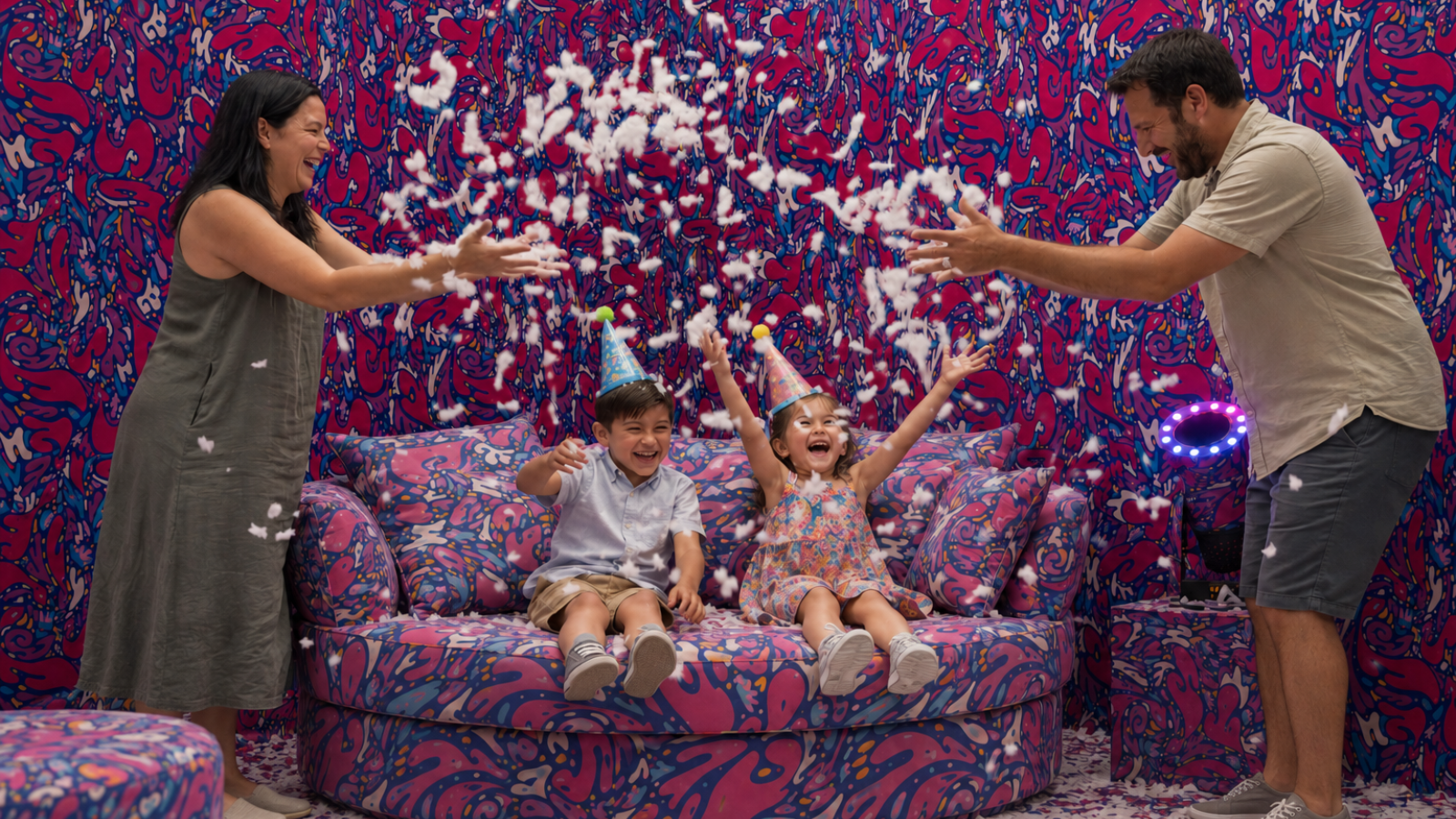
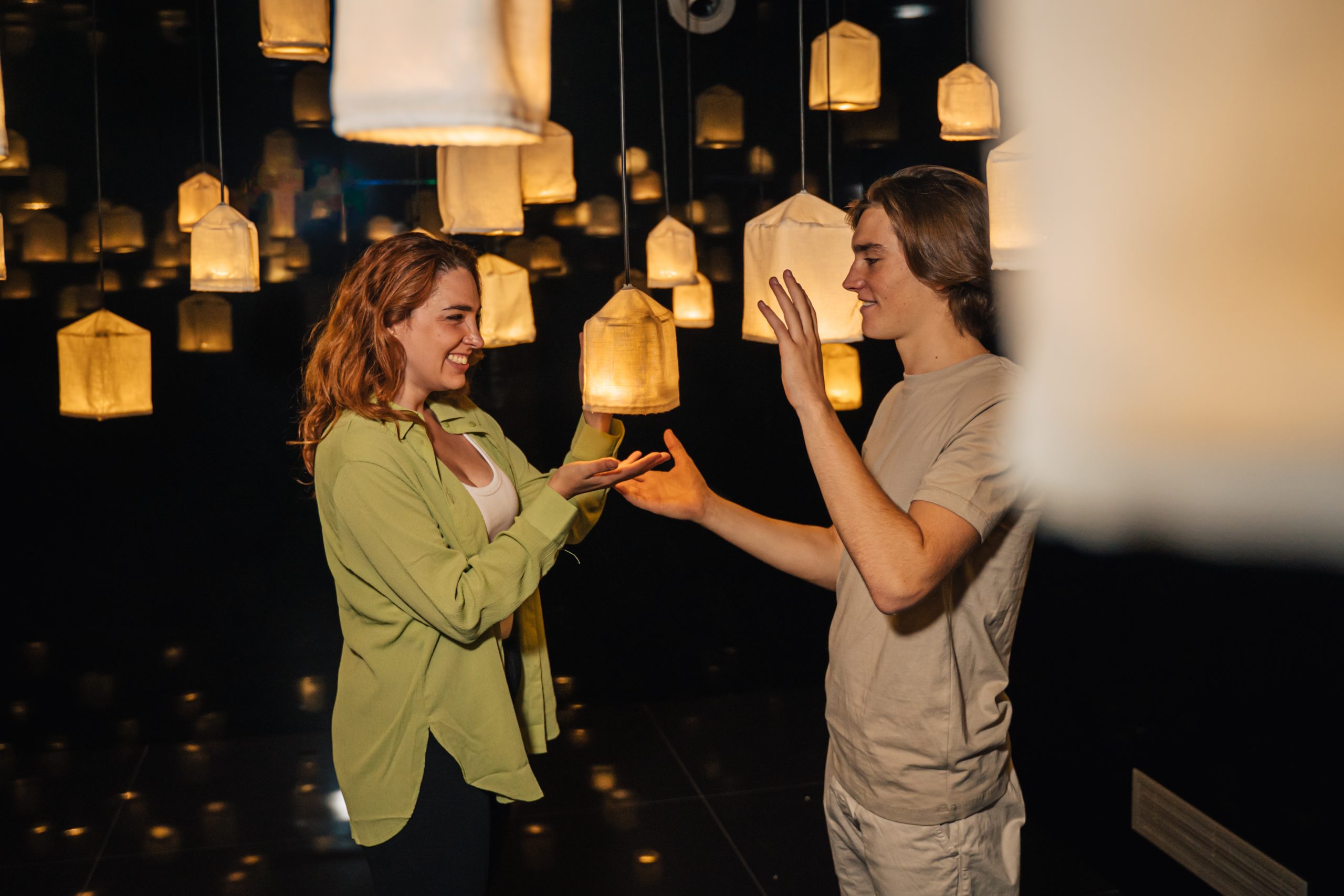
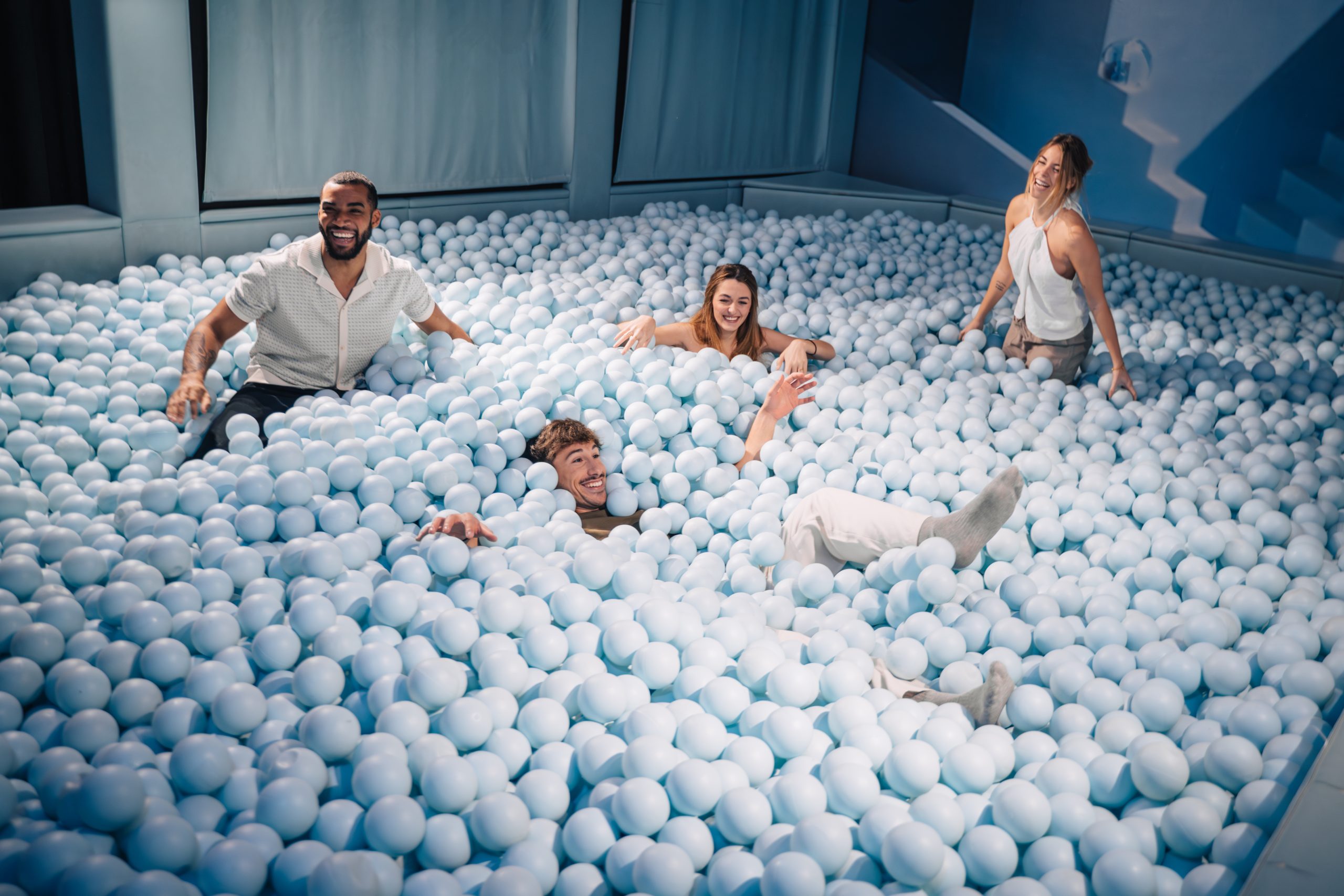
Kidulting experiences sit at the heart of the kidulting movement because they shift the focus from watching to doing, instead of presenting art to be looked at from behind a barrier, IKONO creates rooms designed to be walked into, touched and responded to.
Each room is designed to engage the sense in different ways. Some spaces are energetic and playful, others are calm and reflective, but all are built around the same iddea: curiosity leads the experience. The result is an environment where instinct takes over naturally, and there’s no need to second-guess how you’re meant to interact.
Rather than offering something to passively consume, adult play spaces create a way to be present, they pull you out of your routine and into something more immediate, more physical and more playful.
“Every space inside IKONO has been designed with this question in mind: What would make an adult feel completely free to play? The answer is different in every room, but the invitation is always the same.”
IKONO
What kidulting looks like in real life
Reclaiming play as an adult doesn’t mean going backwards. It means expanding what adulthood can include.
Adult play is rarely the same as childhood play. It’s often more intentional, more social, and more reflective. But it still carries the same core quality: presence.
This change isn’t something people are trying to force. It’s happening naturally, as spaces and experiences make play feel accessible again. When the pressure to perform disappears, curiosity starts to return in small but noticeable ways, through openness, spontaneity, and a willingness to engage more fully in the moment. And that gift can subtly reshape how we experience everyday life.
Increasingly, play is also being recognised as part of a healthy lifestyle, alongside movement, rest, and mindfulness to provide better mental health.
Kidulting isn’t about escaping adult life, it’s about enriching it. Book an immersive experience with us and escape your every day life for a few hours.
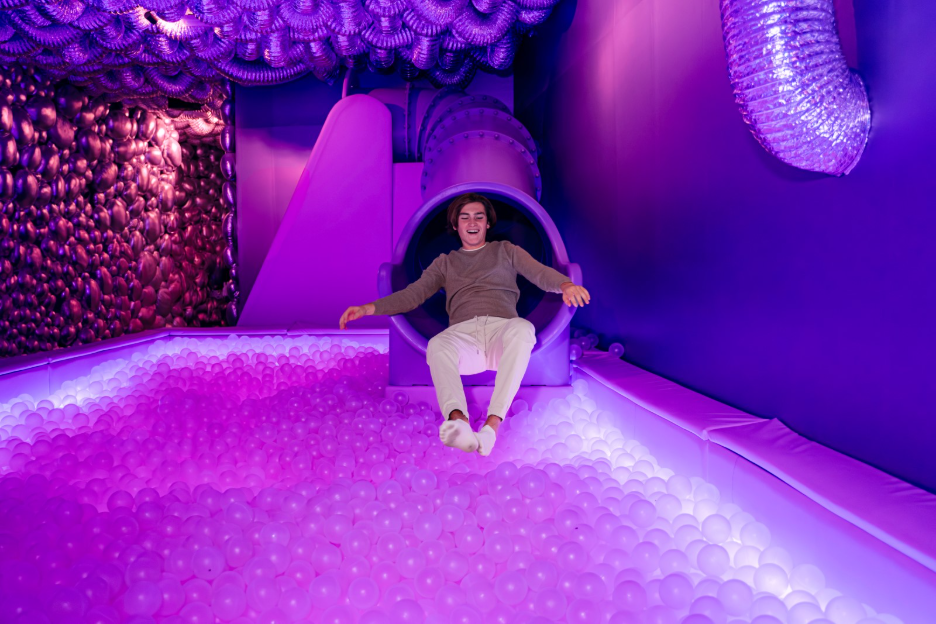
Frequently Asked Questions about Kidulting
Is kidulting just nostalgia?
Nostalgia can be part of kidulting, but it is not the whole story. Kidulting is less about escaping into childhood and more about making room for play in adult life today. For many adults, play offers relief from burnout, digital overload, pressure to be more productive, and the feeling that every free moment must be useful. It turns into something intentional, creative, and restorative. Instead of simply remembering the past, kidulting invites adults to reconnect with curiosity, silliness and imagination in the present, in ways that feel meaningful, social, and refreshing in everyday adult routines.
Why are immersive experiences part of kidulting?
Because immersive experiences turn play into something you do, not just something you watch. Kidulting works best when adults are invited to participate, explore and let go of the usual rules for a while. Immersive spaces like IKONO make that feel easy by surrounding visitors with sensory rooms, interactive installations, and playful setting that encourage curiosity without needing instructions. Easier to laugh, take photos, make memories and connect with others.
What are examples of kidulting activities?
Kidulting can look different for everyone which is part of its charm It might be visiting immersive spaces, exploring interactive environments, joiinga creative workshop, playing games, dancing badly, building somethign with your hands or trying an activity that makes you feel curious again. The important part is participation: kidulting is about doing, touching, laughing, experimenting, and letting yourself be playful without overthinking it.
IKONO has spaces that are a natural fit because of their sensory rooms which invite adults to explore,connect and create memories together.
Ready to play again? Experience kidulting through immersive play at IKONO
Book Your visit to IKONO
Author Bio: Noa Brouwer von Gonzenbach is a Content Writer at IKONO, specialising in sensory travel, immersive activities, and inclusive cultural experiences. At IKONO, Europe’s premier immersive art experience, she creates editorial content that helps families, schools, and visitors discover playful adventures across Madrid, Barcelona, Berlin, Copenhagen, and Budapest. When she is not writing, Noa is probably reading a good book or working on a crochet project.